
How to Find a Roof Leak: Fast Troubleshooting Checklist and DIY Detection Tips
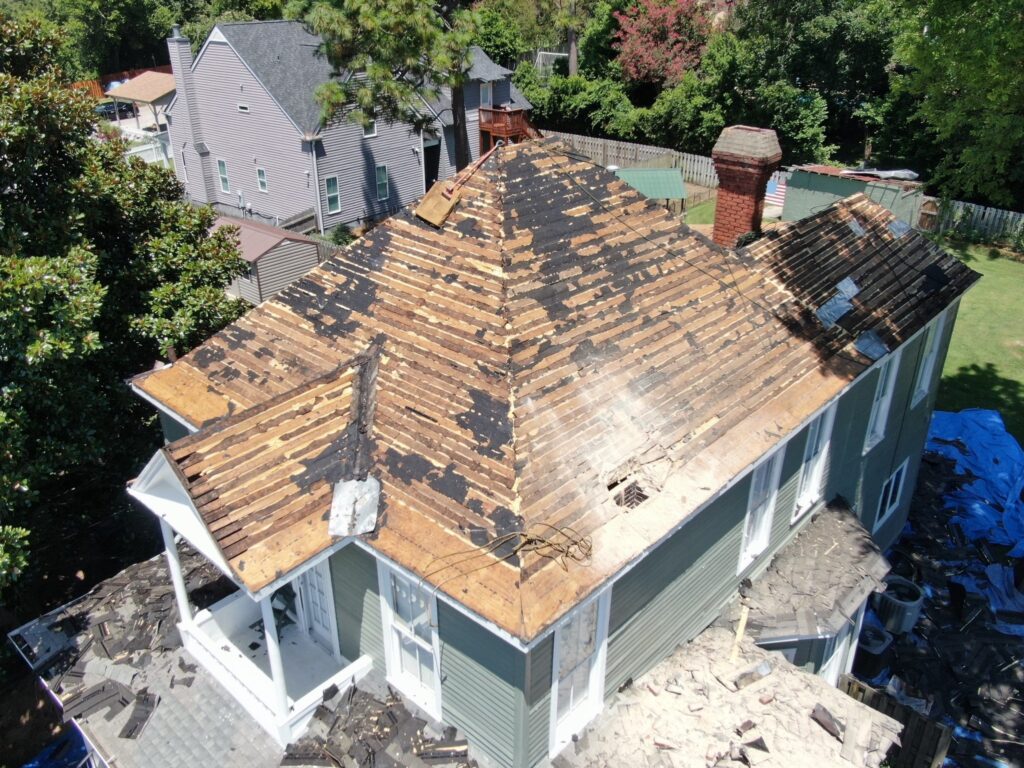
A roof leak can go unnoticed for weeks. By the time you see a water stain on your ceiling, the damage behind your walls may already be serious. The good news is you can often track down the source yourself before things get worse. This checklist walks you through how to find a roof leak step by step, from your attic to your shingles. You will also learn when to call a professional roofer.
Key Takeaways
- Start your search inside the attic, not on the roof.
- Water stains on ceilings are rarely directly below the actual leak.
- Flashing failures, missing shingles, and clogged gutters are the most common causes.
- Check around chimneys, vents, and skylights first.
- Leaks during heavy rain are easier to trace than slow drips.
- If you cannot find the source, get a free roof inspection from a licensed roofer.
- Delaying repairs can turn a small leak into a large, expensive problem.
Start Your Search Inside the House
Most homeowners make the mistake of climbing onto the roof first. You will find more clues inside. Begin by going into your attic with a flashlight during or right after a rainstorm.
Look for wet insulation, dark staining on the wood decking, or visible mold. These signs point to where water is entering. Mark the spot with chalk or tape so you can reference it when you check the exterior.
How to Read Water Stains on Ceilings
A water stain on your ceiling is a useful clue, but it is rarely directly below the leak. Water travels along roof decking and rafters before it drips down. It can travel several feet from the actual entry point.
Look for a yellow or brown ring on the ceiling. Then go to the attic and trace the path of the stain upward and toward the peak of the roof. The actual leak is usually higher up or further toward the ridge than the stain suggests.
Check the Most Common Leak Locations on the Roof
Once you have identified the general area from inside, it is time to inspect the exterior. You do not always need to get on the roof to do this. A pair of binoculars from the ground can show a lot. If you do go up, use proper safety equipment and never walk on a wet or steep roof.
Focus your inspection on areas where different materials meet. These transitions are where leaks almost always start. Flat sections and open field shingles rarely leak unless they are very old or storm-damaged.
Flashing, Vents, Chimneys, and Skylights
Flashing is the metal strip that seals the edges around chimneys, vents, and skylights. It is the number one source of roof leaks in the United States. Over time, the sealant dries out and the metal can lift, crack, or rust.
Check every penetration on your roof. Look for gaps, rust, or lifted edges. Even a small opening in flashing can let in gallons of water during a storm. If you notice wind damage signs around these areas, that can speed up flashing failure significantly.
Inspect Shingles, Gutters, and the Roof Valley
After checking the penetrations, look at the shingles themselves. Missing shingles are obvious. But cracked, curling, or blistering shingles are just as likely to cause a leak. Look for granules in your gutters too. Granule loss means your shingles are nearing the end of their life.
The roof valley is the V-shaped channel where two roof slopes meet. It carries a large volume of water during rain. If the flashing in the valley is damaged or the shingles are worn through, water can pour directly into the roof deck.
How Gutters Connect to Roof Leaks
Clogged gutters cause water to back up under the shingles, especially at the eaves. This is called ice damming in cold climates, but it can also happen in warm states like South Carolina and Georgia during heavy rain. Check that your gutters are clear and draining properly.
Armour Roofing handles gutter installation and repair alongside roofing work. A well-maintained gutter system is one of the best ways to prevent water intrusion along the roofline.
When DIY Detection Is Not Enough
Sometimes you cannot find the leak on your own. The source may be hidden under multiple layers of shingles, inside a wall, or in an area that requires a professional to access safely. In that case, it is better to call a licensed roofer than to keep guessing.
Armour Roofing serves homeowners across Augusta and the surrounding areas of South Carolina and Georgia. Our team can trace a leak, assess the full extent of any damage, and give you a clear plan for repair. If your damage may be covered by insurance, we can also walk you through what to expect with your insurance claim.
If water is actively entering your home, do not wait. Emergency roof repair is available for situations where a delay would cause serious structural or interior damage.
Frequently Asked Questions
Can I find a roof leak without getting on the roof?
Yes. Start in your attic with a flashlight. Look for wet wood, staining, or mold. You can also use binoculars from the ground to inspect shingles and flashing. Going on the roof is sometimes necessary, but it is not always the first step.
Why does my roof leak only when it rains hard?
Some leaks only show up under heavy rain because the water volume overwhelms a small gap that normally stays dry. Clogged gutters, low-slope roof sections, and worn valley flashing are common reasons for this. A slow or intermittent leak can be harder to trace but is still worth finding quickly.
How long can a roof leak go undetected?
A slow leak can go undetected for months or even years. Water often travels far from the entry point before it becomes visible. By the time you see a ceiling stain, there may already be mold growing in the attic or rot in the roof decking. Regular inspections help catch these problems early.
Can a roof leak cause mold?
Yes. Mold can start growing within 24 to 48 hours of moisture exposure. Attics with poor ventilation are especially vulnerable. If your roof has been leaking for a while, have a roofer check for mold and rot during the inspection, not just the shingles.
Does homeowners insurance cover roof leaks?
It depends on the cause. Most policies cover sudden damage from storms or falling objects. We typically do not cover leaks caused by poor maintenance or normal wear and tear. A roofer who is familiar with insurance claims can help you understand what your policy may cover and how to document the damage properly.
Get a Professional Eye on Your Roof Before It Gets Worse
Finding a roof leak early can save you thousands of dollars in repairs. Start inside your attic, work your way to the exterior, and pay close attention to flashing and roof penetrations. If you cannot locate the source, do not wait. Armour Roofing serves homeowners across South Carolina and Georgia with honest, thorough inspections and repairs. Visit teamarmourroofing.com to schedule your inspection today.