How to Choose a Roofing Style That Fits Your Home and Budget
Key Takeaways
- Roof style should match your home’s architecture: classic, modern, or traditional.
- Choose roofing materials based on climate, durability needs, and maintenance budget.
- Balance cost vs longevity, cheap roofs cost less now, but may need early replacement.
- Curb appeal and energy efficiency matter; style and material affect resale value and comfort.
- Working with professionals ensures safe installation, correct material choice, and long-lasting roof performance.
Choosing a roof for your home is one of the most important decisions you’ll make during a home construction or renovation project. Not only does your roof protect you from the elements, but it also contributes to your home’s overall curb appeal and energy efficiency.
The right roof style should complement your home’s architecture, fit your local climate, and align with your budget.
With so many roofing styles and materials available today, selecting the best option can feel overwhelming. This blog will guide you through the key factors to consider when choosing a roofing style that fits your home and budget, helping you make an informed decision for long-term satisfaction.
Match Roof Style to Your Home’s Architecture
The first step in choosing a roof style is to consider the architecture of your home. Different roof styles complement different designs, and a mismatched roof can affect both the appearance and function of your home.
Common Roof Styles and Their Best Fit
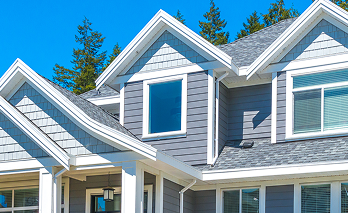
- Gable Roof: One of the most common roof styles. It features two sloping sides that form a triangular shape. It’s ideal for traditional homes and is often found on cottages, bungalows, and ranch-style houses.
- Hip Roof: A hip roof slopes on all four sides, making it a more stable and durable option. It’s great for homes in areas with heavy winds or snow, as the slope helps prevent the buildup of snow and water. Hip roofs suit contemporary homes and those with a Mediterranean or Spanish flair.
- Flat Roof: As the name suggests, flat roofs are level, offering a modern look. They’re popular in desert climates or for homes with a more minimalist design. However, flat roofs require proper drainage to avoid water pooling.
- Mansard Roof: This French-style roof features steep slopes on all sides, offering a classic, elegant look. Mansard roofs are often used for large homes or multi-story buildings, providing additional space on the upper floors.
When choosing a roof style, it’s essential to choose one that complements the shape and size of your house. A roof that matches your home’s architecture not only enhances curb appeal but also ensures proper drainage and ventilation, which contributes to a longer roof lifespan.
Consider Climate, Weather, and Local Conditions
Your local climate plays a crucial role in determining which roof style and material are best for your home. Roofs must be able to withstand the weather conditions in your area, whether it’s extreme heat, heavy snow, or frequent rain.
Roof Style and Material for Different Climates
- Hot and Dry Climates: In areas such as the Southwest, tile or metal roofs are ideal due to their heat-reflective properties. These materials keep your home cooler and provide excellent protection against the sun’s rays. Additionally, they’re highly durable and long-lasting.
- Cold and Snowy Climates: In regions with heavy snowfall, a steep-slope roof (such as a gable or hip roof) is essential. These roof styles allow snow to slide off easily, preventing dangerous snow buildup and leaks. Metal roofs are also popular in colder regions because they can shed snow and ice more effectively than traditional shingles.
- Rainy Climates: In places with heavy rain, it’s crucial to select roofing materials that resist water penetration. Asphalt shingles, metal roofing, and slate are great options. Steep-sloped roofs are preferred because they allow rainwater to drain more quickly and prevent pooling.
Always consult a roofing professional, such as a roofer in Lexington, SC, to ensure your roof style and materials comply with local building codes and regulations, as some areas may have specific requirements due to weather conditions.
Pick Materials Based on Budget, Durability, and Maintenance
Roofing materials vary significantly in price, durability, and maintenance requirements. Choosing the right material will help you balance your budget with your desired level of protection and long-term investment.
Roofing Material Options and Their Pros/Cons
- Asphalt Shingles: Asphalt is one of the most affordable and widely used roofing materials. It’s ideal for budget-conscious homeowners and performs well in a variety of climates. However, it has a shorter lifespan compared to other materials and may require more maintenance over time.
- Metal Roofing: While more expensive, metal roofing is highly durable and can last 50 years or more. It’s perfect for both hot and cold climates, offering energy efficiency and resistance to fire, wind, and water.
- Tile and Slate Roofing: Tile and slate are long-lasting, low-maintenance options that add a luxurious touch to your home. However, they can be expensive and require a strong structure to support their weight.
- Wood Shingles: Wood shingles offer a natural look but require regular maintenance to prevent rot and damage from the elements. They’re best suited for dry, moderate climates.
Consider not only the upfront cost of materials but also their expected lifespan and long-term maintenance needs. Sometimes, investing more up front can save you money on repairs and replacement down the line.
Think About Curb Appeal, Energy Efficiency, and Home Value
The roof is a significant part of your home’s exterior and can significantly impact its curb appeal. The color, style, and material of your roof all contribute to the overall aesthetic of your home. It’s important to consider how your roofing choice affects your home’s value, especially if you plan on selling in the future.
Roof Style and Energy Efficiency
In addition to aesthetics, roof style and material can affect your home’s energy efficiency. For example:
- Cool Roofing: Materials such as metal and certain types of asphalt shingles are available in cool-roof versions that reflect sunlight and help keep your home cooler in hot climates. This can reduce air conditioning costs during the summer months.
- Insulation: Choosing the right roofing material, coupled with proper attic insulation, can help keep your home warmer in winter and cooler in summer, reducing energy consumption and improving comfort.
Investing in an energy-efficient roof can provide long-term savings on utility bills while enhancing your home’s appeal to potential buyers.
Importance of Professional Input and Local Building Codes
While it’s tempting to go for a DIY approach, selecting and installing the right roofing style requires professional expertise. A skilled roofing contractor can assess your home’s structure, recommend the most suitable materials, and ensure your roof is installed correctly and up to code.
Additionally, roofs must meet local building codes, which vary by region. Working with a professional ensures your roof complies with regulations on wind speed, snow load, and fire resistance.
Balancing Aesthetics, Functionality, and Budget in Roofing
Choosing a roofing style for your home is about balancing aesthetics, functionality, and budget. Whether you’re looking for a stylish design, energy efficiency, or durability, it’s essential to work with a professional who can guide you toward the best option based on your home’s needs, climate, and budget.
If you’re ready to choose the perfect roofing style for your home, contact Armour Roofing today for a consultation. Our experts will help you find a roof that enhances your home’s look, fits your budget, and stands the test of time.
FAQs
What Are the Most Common Roof Styles for Homes?
Common roof styles include gable, hip, flat, and mansard. Each is suited for different home designs and climates.
How Does Climate Affect Roof Style and Material Choice?
Roof style and material choice should match your climate. For example, steep roofs shed snow, while reflective materials are well-suited to hot climates.
Which Roofing Materials Are Best for Budget‑Friendly vs Durable Roofs?
Asphalt shingles are budget-friendly, while metal, tile, and slate offer durability and long-term protection but come with higher upfront costs.
Can Roof Style Affect Energy Efficiency and Home Value?
Yes, cool roofing materials improve energy efficiency, and specific styles and materials can increase curb appeal and home value.
Why Should I Consult a Professional When Choosing a Roof Style?
A professional ensures your roof is structurally sound, compliant with local codes, and installed correctly for maximum durability and performance.