What Is Roof Flashing? Why It’s Critical for a Leak-Free Roof
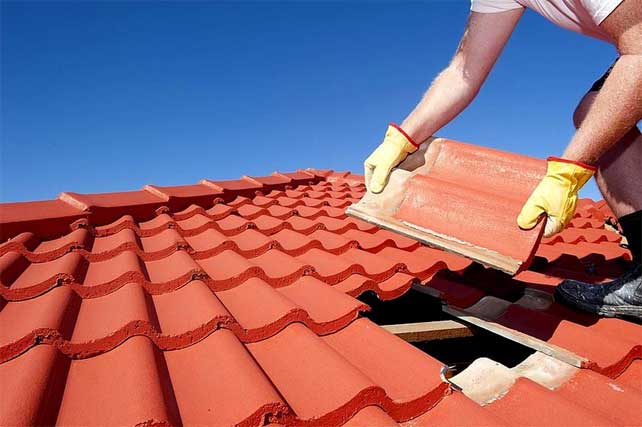
Your roof protects your home from rain, snow, and wind. But even the best shingles can’t seal every gap. That’s where roof flashing comes in. Flashing is a thin metal material installed at joints and edges to keep water out. Without it, your roof becomes an easy target for leaks.
Most homeowners don’t think about flashing until water starts dripping through their ceiling. By then, damage may have already spread to your attic, insulation, or walls. Understanding what roof flashing is and why it matters helps you spot problems early and avoid costly repairs.
Key Takeaways
- Roof flashing is thin metal that seals vulnerable areas where water can enter your home
- Flashing protects chimneys, valleys, vents, skylights, and roof edges
- Common materials include aluminum, galvanized steel, and copper
- Damaged or missing flashing causes most roof leaks
- Regular inspections help catch flashing problems before they cause major damage
- Professional installation ensures flashing stays watertight for years
What Roof Flashing Does
Roof flashing creates a water barrier at points where your roof meets walls, chimneys, or other structures. Think of it as a shield that directs water away from gaps and seams. When installed correctly, flashing works with your shingles to keep your home completely dry.
Water flows downhill, but wind can push it sideways or even upward under shingles. Flashing prevents this water from reaching the wood deck below. It channels rain and melting snow down and off your roof instead of into your home.
Where Flashing Protects Your Roof
Your roof has several spots that need flashing protection. Each location serves a different purpose but all work to prevent leaks.
Valleys are where two roof slopes meet. These areas see heavy water flow during storms. Valley flashing runs along this joint to handle the extra water volume.
Chimneys need flashing all around their bases, especially on new roofs for older homes, where roof details can be more complex. Step flashing runs up the sides, and counter flashing fits into the chimney itself. This double layer keeps water from sneaking behind the chimney.
Vents and pipes that stick through your roof also require flashing. Vent pipe flashing typically includes a rubber boot that seals around the pipe opening.
Skylights get special flashing that fits their shape. This flashing must handle water from above while creating a seal around the skylight frame.
Roof edges use drip edge flashing. This metal strip hangs over the edge and directs water into gutters instead of down your fascia boards, which is why well-maintained siding and gutters matter.
Types of Roof Flashing Materials
Different metals work better for different situations. Your choice depends on your budget, roof type, and local climate.
Common Flashing Materials
Aluminum flashing costs less than other metals and resists rust. It’s lightweight and easy to shape around corners. Most roofers stock aluminum because it works well in most situations. However, it can corrode when it comes into contact with certain materials, such as concrete or pressure-treated wood.
Galvanized steel lasts longer than aluminum and costs a bit more. The zinc coating protects the steel from rust. This makes it a good choice for areas with heavy rain or snow. The extra weight helps it stay in place during storms.
Copper flashing is the most expensive option but it can last 100 years or more. It doesn’t rust and develops a protective green layer over time. Many homeowners choose copper for chimneys because it matches brick and stone.
Stainless steel works well in coastal areas where salt air causes corrosion. It costs more than galvanized steel but won’t rust even in harsh conditions.
Lead flashing bends easily into tight spaces and lasts for decades. Roofers sometimes use it around chimneys on historic homes. However, environmental concerns have made it less common in recent years.
Signs Your Roof Flashing Needs Repair
Flashing doesn’t last forever, which is why regular roof maintenance helps extend the life span of your roof. Weather, age, and poor installation all cause problems. Catching these issues early saves you from bigger headaches later.
What to Look For
Water stains on your ceiling or walls often point to flashing failure. The stains might appear far from the actual leak because water travels along rafters before dripping down.
Rust or corrosion on metal flashing means it’s losing its protective coating. Once rust starts, the metal gets thinner and develops holes.
Bent or damaged flashing can’t create a proper seal. High winds sometimes lift flashing away from the roof. Tree branches or falling debris can dent or tear it.
Missing or loose nails let flashing move and create gaps. You might see nail heads poking through the surface or notice flashing that looks crooked.
Cracked caulk or sealant around flashing allows water to seep through. Sealants dry out after several years of sun exposure and need to be replaced.
Shingle damage near flashing suggests water has been getting under the roof surface. The deck underneath might already be rotting.
Why Professional Installation Matters
Installing flashing looks simple, but it requires skill and experience. Small mistakes lead to leaks that damage your home’s structure.
Roofers understand how water moves across different roof designs. They know where to overlap flashing pieces and how to properly seal joints. They also use the right fasteners that won’t cause corrosion or create new leak points.
Common Installation Problems
DIY flashing repairs often fail because homeowners skip important steps. Using the wrong type of metal for your situation leads to premature failure. For example, aluminum flashing touching galvanized steel nails creates a chemical reaction that eats through both metals.
Improper overlap lets water slip between flashing pieces. Each piece must overlap the one below it by at least three inches. Missing this detail creates a direct path for water.
Too much or too little sealant both cause problems. Too much sealant traps water instead of letting it drain. Too few leaves gaps where water enters.
Improper fastener placement can puncture the flashing at points where water pools. Professional roofers know exactly where to place each nail or screw.
Armor Roofing has installed flashing on thousands of homes across the region. Our team knows local weather patterns and builds flashing systems that handle everything from summer storms to winter ice.
FAQ
How long does roof flashing last?
Aluminum flashing typically lasts 20 to 30 years. Galvanized steel can last 30 to 50 years. Copper flashing often lasts 100 years or more. The actual lifespan depends on your climate, installation quality, and maintenance. Flashing in areas with heavy snow or salt air may need to be replaced sooner.
Can I paint roof flashing?
Yes, you can paint most metal flashing. Use a metal primer first, then apply exterior paint designed for metal surfaces. Painting helps protect the metal and lets you match your home’s colors. Avoid painting copper flashing, as this prevents the natural protective coating from forming.
Should flashing be replaced when getting a new roof?
Most roofing professionals recommend replacing flashing during a roof replacement. Old flashing may look fine, but could fail soon after your new shingles go on. New flashing ensures your entire roof system works together for maximum protection. Replacing everything at once also costs less than making separate repairs later.
What causes roof flashing to fail?
Several factors cause flashing to fail. Weather exposure breaks down sealants and causes metal to corrode. Poor installation creates gaps from the start. Physical damage from falling branches or walking on the roof bends the metal. Thermal expansion and contraction loosen fasteners over time. Regular inspections help catch these problems early.
Can I repair flashing myself?
Simple flashing repairs, like resealing small gaps, might work as temporary fixes. However, most flashing problems require professional attention. Working on a roof is dangerous without proper equipment and training. Improper repairs often worsen leaks and can void your roof warranty. A professional assessment ensures the repair addresses the root cause.
Protect Your Home with Quality Flashing
Roof flashing plays a bigger role in protecting your home than most people realize. These metal strips keep water away from vulnerable spots where leaks start. When flashing fails, repair costs add up quickly as water damages ceilings, walls, and insulation.
Regular roof inspections catch flashing problems before they turn into major leaks. A professional can spot rust, gaps, and damage that you might miss from the ground.
Armor Roofing provides complete roofing services, including flashing installation and repair. Our experienced team uses quality materials and proven techniques to keep your roof watertight. We’ll inspect your roof, explain any problems we find, and give you straight answers about what needs fixing. Contact Armor Roofing today for a free roof inspection and protect your home from costly water damage.